

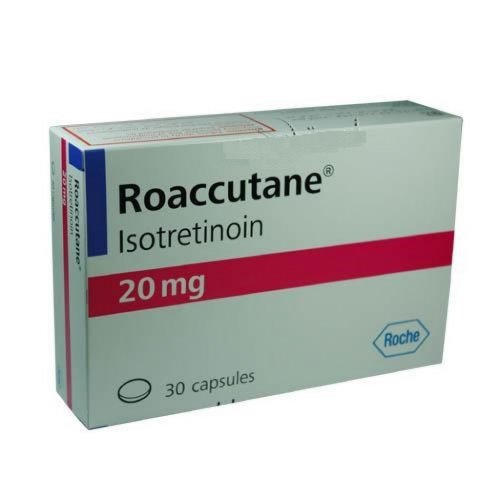
Product Overview: 20 mg Roaccutane
Roaccutane is a brand name for the medication isotretinoin, which is an oral retinoid used primarily for the treatment of severe acne. It is usually prescribed when other acne treatments have been ineffective or when acne is causing significant psychological distress or scarring.
Isotretinoin works by reducing the production of sebum, a type of oil that contributes to the development of acne. It also has anti-inflammatory properties that help reduce the inflammation associated with acne breakouts.
The standard dosage of 20 mg Roaccutane (isotretinoin) can vary depending on factors such as the severity of the acne, body weight, and individual response to the medication. However, a common starting dose is typically around 0.5 to 1 mg per kilogram of body weight per day, divided into two doses. Therefore, a dosage of 20 mg per day is a relatively low dose and may be appropriate for individuals with milder forms of acne or as a maintenance dose after a higher initial dose.
Treatment with isotretinoin usually lasts several months, and the duration can vary depending on individual response and the recommendation of the prescribing healthcare professional.
20 mg Roaccutane (isotretinoin) can cause various side effects, some of which can be serious. It’s important to note that not everyone experiences these side effects, and their severity and frequency can vary from person to person. Here are some potential side effects associated with isotretinoin:
- Dryness: One of the most common side effects of isotretinoin is dryness, particularly of the skin, lips, and eyes. This can lead to dry, chapped lips, dry and itchy skin, and dryness or irritation of the eyes. Regular use of moisturizers and lip balms can help alleviate these symptoms.
- Increased sensitivity to sun: Isotretinoin can make your skin more sensitive to sunlight. It’s important to use sunscreen with a high SPF and to limit sun exposure while taking the medication to reduce the risk of sunburn and skin damage.
- Muscle and joint pain: Some people may experience muscle and joint pain or stiffness while taking isotretinoin. This side effect is usually temporary and can be managed with over-the-counter pain relievers, if necessary.
- Mood changes: Isotretinoin has been associated with mood changes, including depression, mood swings, and, in rare cases, suicidal thoughts. It’s crucial to promptly report any changes in mood or mental health to your healthcare provider.
- Gastrointestinal issues: Isotretinoin can cause gastrointestinal side effects such as nausea, vomiting, and changes in bowel habits. Taking the medication with food can help reduce these symptoms.
- Elevated liver enzymes: In some cases, isotretinoin can cause temporary elevations in liver enzyme levels. Regular monitoring of liver function tests is typically done during treatment.
- Vision changes: While rare, isotretinoin has been associated with vision changes, including decreased night vision and, in very rare cases, blurred vision. If you experience any vision changes, it’s important to inform your healthcare provider.
- Birth defects: Isotretinoin is highly teratogenic, meaning it can cause severe birth defects if taken during pregnancy. It is crucial to use effective contraception and follow strict pregnancy prevention measures while taking isotretinoin.
so Roaccutane 20 mg buy online now. For any enquiry contact us and can also checkout other steroid hormones
Be the first to review “Roaccutane 20 mg 30 Tab”
Related products
Reviews
There are no reviews yet.