

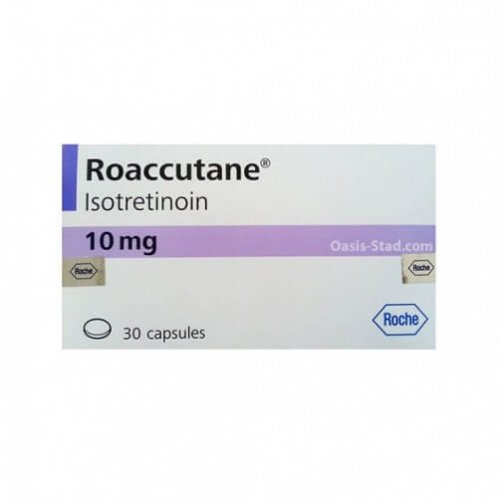
Product Overview: Roaccutane 10 mg
Roaccutane 10 mg (isotretinoin) is a medication used for the treatment of severe acne. A dosage of 10 mg is a relatively low dose of isotretinoin and may be prescribed for individuals with milder forms of acne or as a maintenance dose after a higher initial dose.
The dosage of isotretinoin can vary depending on factors such as the severity of the acne, body weight, and individual response to the medication. The goal is to find the lowest effective dose that provides improvement in acne symptoms while minimizing side effects.
The potential side effects of isotretinoin, including those associated with a 10 mg dosage, are generally similar to those I mentioned earlier. Common side effects include dryness of the skin, lips, and eyes, muscle and joint pain, increased sensitivity to sunlight, and potential mood changes.
At higher doses of Roaccutane 10 mg, similar side effects to those at lower doses may occur, but they can be more pronounced. Here are some common side effects that can occur with higher doses of isotretinoin:
- Dryness: Isotretinoin is known to cause dryness, particularly of the skin, lips, and eyes. At higher doses, this dryness can be more severe and may require increased moisturization and lip balm use to help alleviate the discomfort.
- Skin sensitivity: Higher doses of isotretinoin can make the skin more sensitive to sunlight. It’s important to take extra precautions, such as using sunscreen with a high sun protection factor (SPF) and avoiding excessive sun exposure.
- Mucous membrane dryness: Along with skin dryness, isotretinoin can cause dryness of the mucous membranes, such as the inside of the nose and throat. This can lead to nosebleeds and dryness of the throat. Using saline nasal sprays and staying hydrated may help mitigate these symptoms.
- Musculoskeletal discomfort: Muscle and joint pain or stiffness can occur as a side effect of isotretinoin. This discomfort can be more noticeable at higher doses. Over-the-counter pain relievers may be used to manage these symptoms, if needed.
- Mood changes: While mood changes are a potential side effect at any dose, they can be more pronounced at higher doses of isotretinoin. It’s important to be aware of any changes in mood or mental health and promptly report them to your healthcare provider.
- Elevated liver enzymes: Isotretinoin can cause temporary elevations in liver enzyme levels, and these elevations may be more common at higher doses. Regular monitoring of liver function tests is typically performed during treatment.
- Vision changes: Although rare, isotretinoin has been associated with vision changes, including decreased night vision and, in very rare cases, blurred vision. If you experience any visual disturbances, it’s important to inform your healthcare provider.
For any enquiry contact us and can also checkout other steroid hormones
Be the first to review “Roaccutane 10 mg 30 Tab”
Related products
Reviews
There are no reviews yet.